The Anonymous Million-Dollar Movement
A masked figure works in darkness. Stencils cut by hand. Spray paint applied with surgical precision. The artist vanishes before dawn, leaving behind work that will generate over one hundred million dollars in annual market value. This is the paradox of contemporary street art. Unknown creators command astronomical prices while their identities remain shadows.
We’re way beyond rebellious tags on subway cars now. Today’s street artists use techniques that would make Renaissance masters take notice. Layer upon layer of paint builds genuine depth. Stencils need mathematical precision. Wheat paste applications depend on perfect timing with weather conditions. Every element works toward the final vision.
This technical skill explains why anonymous works sell for millions at auction. Collectors know they’re buying countless hours of perfected spray control. They see the innovation in materials. The risk calculation. Pure craft distilled into moments of creation that turn concrete into canvas.
The Industrial Canvas Revolution
Construction hoardings used to show ads for luxury watches and fast fashion. Now they hold thirty-foot murals created through methodical grid systems and custom paint formulations. Urban planners figured out that commissioning artists costs less than traditional advertising while delivering more community impact.
The process starts months before the first brushstroke. Artists study building facades. They calculate sun exposure and wind patterns. Paint formulations have to survive weather extremes. Some murals need scaffolding systems engineered specifically for the project. Others require specialized lifts and safety equipment that costs thousands per day.
Municipal contracts now specify everything from primer types to final protective coatings. Artists submit detailed material lists and timeline breakdowns. The bureaucracy might seem to clash with street art’s origins, but it has elevated the craft. Resources that guerrilla artists never had access to now fuel ambitious public works that blur the line between vandalism and civic beautification.
Digital Meets Analog in Urban Spaces
Projection mapping turns static murals into living installations. Artists code alongside painting. They design animations that respond to pedestrian movement. Temperature sensors trigger color changes. Sound levels alter visual patterns. The craft has grown beyond traditional pigments into programming and sensor integration.
Creating these hybrid works means mastering multiple disciplines. Traditional painting techniques provide the foundation. Digital art skills enable the interactive layers. Engineering knowledge helps installations survive urban environments. Artists spend months calibrating projector angles and testing weather resistance. Each element has to sync perfectly.
The tools tell the story. Laptops sit beside spray cans. Custom software renders alongside hand-mixed paints. Motion sensors get mounted with the same precision once reserved for stencil placement. This technological integration hasn’t replaced traditional techniques. Instead, it amplifies them. The basic craft remains unchanged while the possibilities multiply.
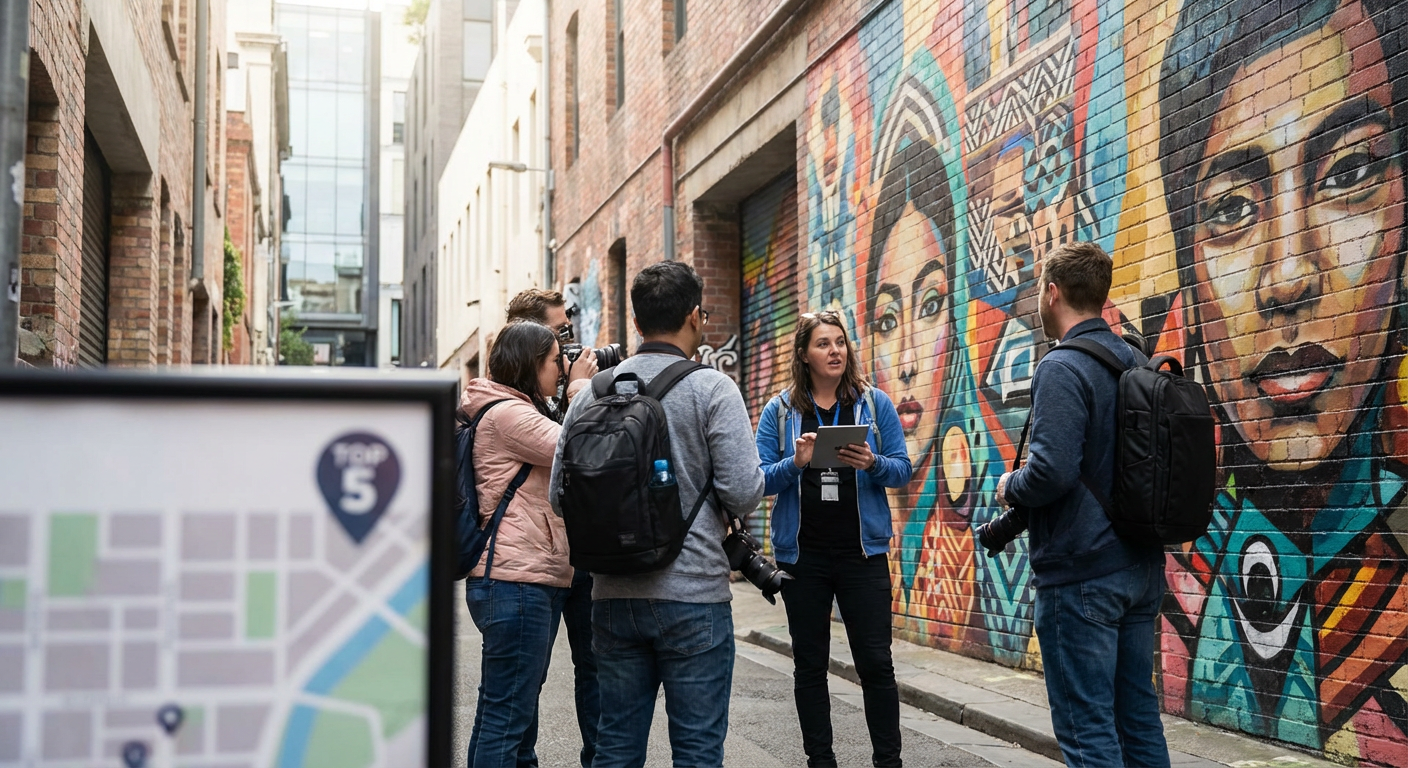
Travel platforms now rank street art tours among the top five urban activities worldwide. Visitors want authentic encounters with creative processes. They want to understand the making, not just admire the results. This demand has changed how artists approach their practice and how cities manage their creative resources. Widewalls street art coverage documents this global phenomenon as it unfolds across continents.
Reclaiming Space Through Temporary Creation
Abandoned warehouses become galleries for three months. Artist collectives install temporary exhibitions in vacant lots. The space transforms through collective labor. Walls get fresh primer. Lighting systems appear overnight. Floors get swept and sealed. These pop-up galleries need the same attention to craft as permanent installations.
The preparation process shows how committed artists are to quality over longevity. Knowing their work will disappear doesn’t reduce the effort invested. If anything, the temporary nature intensifies focus on execution. Every brushstroke matters more when time is limited. Materials have to perform flawlessly under compressed schedules.
Documentation becomes crucial in temporary spaces. Artists photograph each stage of creation. Time-lapse cameras capture entire murals emerging from blank walls. The process footage often outlives the physical artwork. This shift toward documenting creation has influenced how permanent pieces develop. Artists now consider the making as important as the final result.
City governments make daily decisions about which unauthorized artworks to remove and which to preserve. Graffiti removal budgets compete with public art investments. The distinction often comes down to craft quality and community reception. Quick tags disappear within days. Complex murals that show real technical skill might earn protection status. Street Art News tracks these policy developments as they reshape urban creative landscapes.
Tools, Techniques, and Tomorrow
The spray can is still fundamental, but artists now modify nozzles for specific effects. Custom caps create unique spray patterns. Pressure regulators ensure consistent flow. Paint formulations resist UV damage and weather wear. Some artists mix their own colors using industrial pigments. Others work with manufacturers to develop entirely new paint technologies.
Stencil cutting has turned into precision engineering. Laser cutters create complex designs impossible to achieve by hand. Computer modeling predicts how multi-layer stencils will interact. Registration marks ensure perfect alignment across massive walls. The digital design process can take weeks before physical creation begins.
Beyond traditional tools, artists now use 3D printers for creating textural elements. Vinyl plotters cut precise adhesive designs. Heat guns and specialized solvents enable temporary installations that leave no permanent trace. The expansion of available tools hasn’t simplified the craft. Instead, it has revealed new layers of complexity and possibility.
The future promises even greater integration between digital innovation and traditional techniques. Virtual reality allows artists to preview large-scale works before committing paint to wall. Augmented reality layers add interactive elements visible through mobile devices. These technological advances complement rather than replace basic artistic skills. The craft keeps evolving while honoring its roots in direct, immediate creation that transforms public space through human expression and technical mastery.
