The Invite Everyone Received
Walk into the Giardini this June and you feel it immediately. The air tastes different. Ninety countries represented. Twenty-nine of them stepping into a main Biennale exhibition for the very first time. The noise level alone suggests something seismic has shifted in the Venetian art establishment, an institution that has spent 130 years perfecting the art of gatekeeping with marble floors and institutional gravitas.

But here is where I pause. Here is where the conversation gets spicy. Because numbers alone do not equal structural change. Adriano Pedrosa, the first Latin American curator leading the main show in the Biennale’s entire history, arrived with a mandate shaped by the title itself: “Stranieri Ovunque” – Foreigners Everywhere. The concept sounds radical on paper. Implementation is another beast entirely.
The Brazilian Pavilion became the flashpoint. Indigenous artists. Queer artists. Voices from the Global South positioned not as supplementary decoration but as curatorial spine. Critics either wept or sharpened their knives. You could taste the tension in the reviews within days of opening.

When Representation Becomes the Plot Twist Nobody Asked For
Adrian Searle’s assessment in The Guardian’s full Venice Biennale 2025 review landed like a perfectly calibrated grenade: “morally urgent but aesthetically uneven.” Translation: You care about inclusion. But does the work sing? That critique sparked a months-long critical fracture that refuses to heal. Twitter threads became doctoral dissertations. Instagram stories became manifestos.
This is the fundamental tension nobody wants to name aloud in polite curatorial circles. Can you simultaneously prioritize representation and maintain uncompromising aesthetic standards? Or are those framed as binary only because the Western art world spent centuries conflating “excellence” with “made by Europeans”? The question is not rhetorical. It is the question.
Pedrosa’s framework attempted something genuinely different. Not tokenism dressed as diversity. Not a “Global South” section tucked away in the Arsenale like a consolation prize. Instead, artists from historically marginalized regions occupied central conceptual real estate. The curatorial logic felt almost anthropological in reverse, examining Western art traditions through an outsider’s methodical gaze rather than the usual inverse.
But execution matters. Intention matters less than what lands on the wall. Some of the most celebrated pieces in the 2025 edition carried the weight of representation so visibly that the work itself seemed to disappear beneath the politics. That is not innovation. That is burden.
700,000 Witnesses and What They Actually Saw
The numbers tell one story. Ticket sales surpassed 700,000 across the six-month run, a 12% spike from 2022. People came. More people than before. The mainstream media loved this angle, Venice Gets Inclusive, Attendance Soars, Capitalism Rewards Diversity, everybody wins. The narrative writes itself.
But who were these 700,000? Tour groups from Shanghai and São Paulo. Instagram collectors hunting photogenic moments. Serious practitioners who have attended every iteration since 1995. Curators and gallerists and critics scribbling notes. The audience is not monolithic, and neither is its gaze. Some visitors encountered genuine revelation. Others experienced what felt like curatorial hectoring dressed up as enlightenment.
The Venice Biennale 2025 official exhibition overview markets itself as a sea change. And in some respects, it is. Accessibility increased. Geographic representation expanded. The conversation shifted. But accessibility to what exactly? Representation of whom, and on whose terms?
The Rebranding Question That Refuses to Go Away
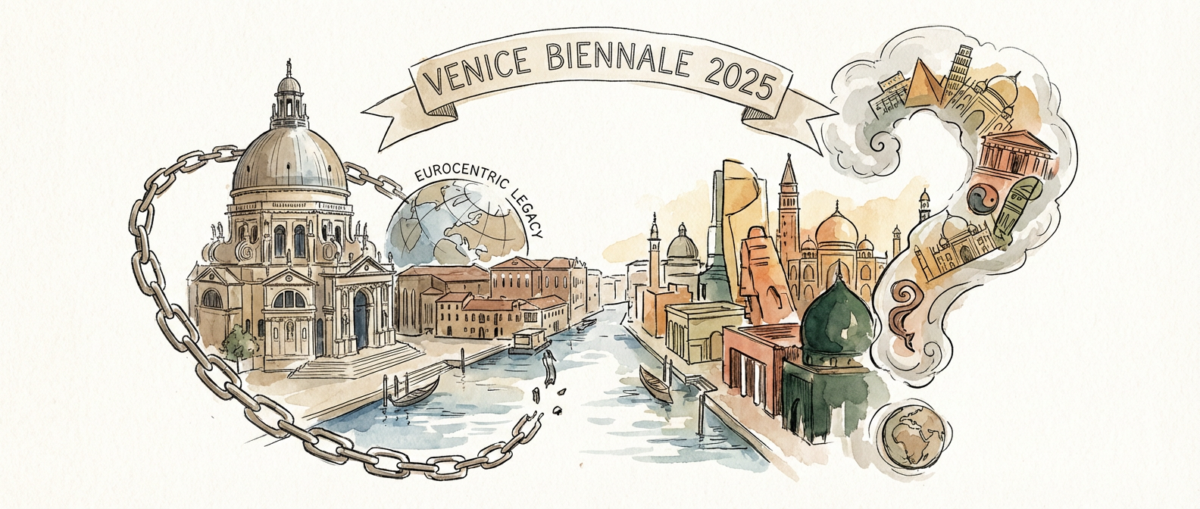
Here is what keeps me awake at 3 a.m. scrolling through archival images. The Venice Biennale did not suddenly transcend its DNA. It redecorated. The power structures remain intact, the museum logic, the gatekeeping mechanisms, the relationship between Venice and global capital, the way certain aesthetics still read as “serious” while others feel “emerging.” Pedrosa did not dismantle these systems. He redistributed access within them.
Is that revolutionary or evolutionary? Is it even possible to truly decolonize a 130-year-old institution, or are we just discussing the gentler aesthetics of gentrification? The Brazilian Pavilion received standing ovations. Meanwhile, pavilions from smaller nations with less institutional support struggled for critical attention. The hierarchy shifted. It did not dissolve.
What haunts me most is the possibility that 2025 represents peak performative inclusion. The moment an institution can appear progressive while maintaining its fundamental architecture unchanged. Pedrosa seems genuinely committed to different values. The Biennale apparatus itself resists transformation the way marble resists erosion.
What Comes After the Applause Dies
The real question emerges not in June 2025 but in the years that follow. Will the 29 debut nations find themselves invited back? Will Indigenous and queer artists from the Global South remain central to curatorial thinking, or does this edition read as a corrective gesture that gradually fades? Will the next curator build on this framework or revert to safer, whiter, wealthier defaults?
The Venice Biennale 2025 did break something open. Whether that constitutes genuine rupture or sophisticated rebranding depends entirely on what happens next. The work is not finished. The conversation is not resolved. That uncertainty, that refusal of easy answers, might be the most honest thing this institution has offered in decades.
What did you witness this year? Which voices surprised you? Which omissions stung? The discourse needs witnesses who are willing to hold complexity without collapsing into either cynicism or false triumphalism. Come argue with me about it.
