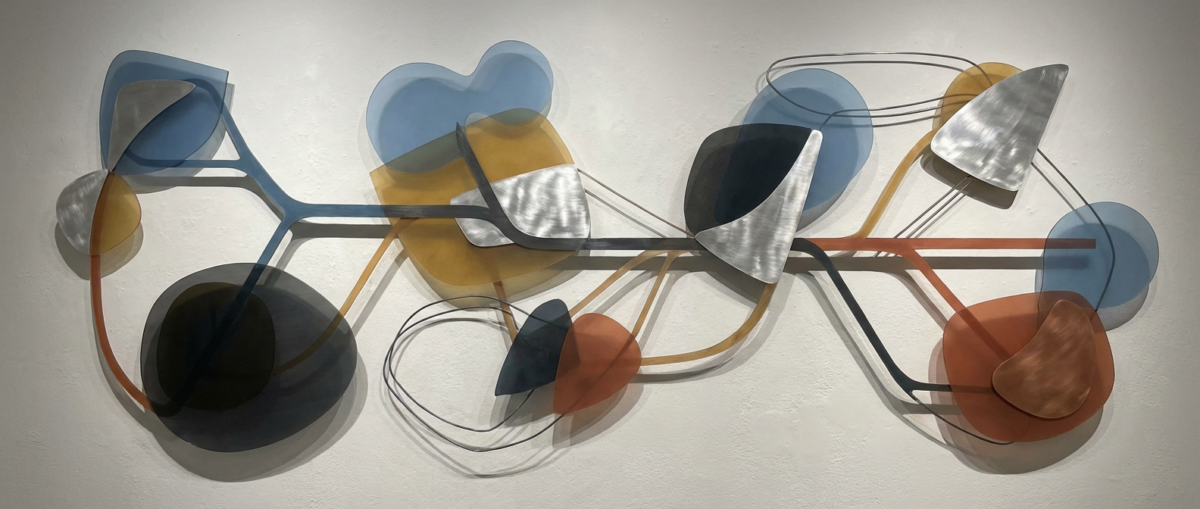
The Myth of the Isolated Genius
Every time someone discovers Basquiat for the first time, they act like he materialized from thin air in 1980s New York. Wrong. Dead wrong. Jean-Michel was digesting everything from Gray’s Anatomy illustrations to bebop album covers, from Rauschenberg’s combines to the graffiti bombing happening three blocks from his studio. Art doesn’t spring from vacuums. It emerges from conversations spanning decades, sometimes centuries.
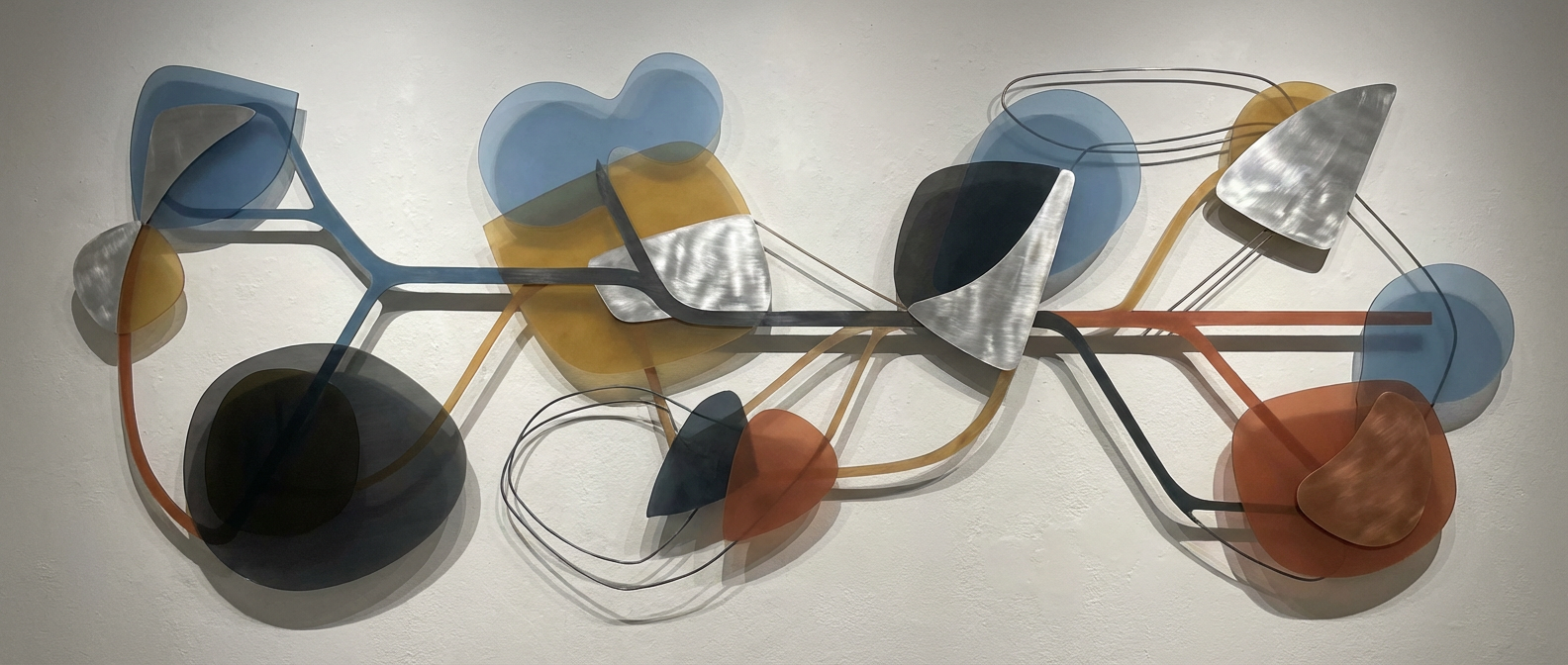
The “isolated genius” story is lazy journalism that robs artists of their most interesting context. When you know that Virginia Woolf was reading Russian novels while Joyce was messing with stream-of-consciousness, modernist literature suddenly makes sense as a living ecosystem instead of random lightning strikes. When you trace how Miles Davis absorbed Ahmad Jamal’s use of space, then passed that restraint to his sidemen who revolutionized their own bands, jazz becomes a complex family tree instead of a bunch of disconnected breakthroughs.
Start thinking like a detective instead of a tourist. Every artist is student and teacher, borrower and innovator. The magic happens in the margins, in the spaces between influence and originality.

Reading the Visual Evidence
Look closer at what’s actually in the frame. Caravaggio’s dramatic light and shadow didn’t emerge because he was moody. He was studying Flemish painting techniques while working when artificial lighting was revolutionizing how people experienced darkness and illumination. Those aren’t random shadows. They’re borrowed brilliance, transformed through genius.
Contemporary artists leave even more obvious breadcrumbs. Kerry James Marshall’s comic book aesthetic directly references his childhood diet of superhero illustrations, but he’s also channeling Renaissance compositional strategies and Abstract Expressionist color theories. Kara Walker’s silhouettes echo 19th-century parlor entertainment while interrogating the visual language of American racial caricature. The influences are right there, waiting to be decoded.
Train your eye to spot quotations, homages, and rebellions. When David Lynch uses 1950s Americana imagery, he’s not being nostalgic. He’s performing surgery on collective memory, using familiar visual vocabulary to expose hidden violence. When Spike Jonze incorporates surreal elements into intimate stories, he’s mixing Charlie Kaufman’s narrative experiments with Michel Gondry’s kinetic energy. Pattern recognition becomes your superpower.
Following the Sound Backwards
Music makes influence tracking almost criminally easy, yet most people stop at surface-level connections. Yes, Led Zeppelin borrowed from blues masters. But dig deeper. Robert Plant was also absorbing Celtic folk melodies and Sanskrit chants. Jimmy Page was studying Arabic scales and early electronic manipulation techniques. The band’s mystical heaviness emerged from this unlikely collision of sources.
Hip-hop culture built sampling into its foundation, creating the most transparent influence ecosystem in popular music. When Kanye West flips a Daft Punk loop, he’s not just borrowing a melody. He’s connecting French house music to Chicago soul to contemporary rap, creating new genealogical lines with every beat. When Kendrick Lamar interpolates Isley Brothers vocals, he’s drawing direct lines between Civil Rights era expression and contemporary Black experience.
Electronic music pushes influence tracing into hyperspace. Aphex Twin absorbed classical minimalism, industrial noise, and rave culture, then fed that synthesis back into underground scenes that spawned entirely new subgenres. Every Spotify algorithm is basically an influence-mapping machine, revealing how musical DNA spreads across time and geography.
Literary Bloodlines and Secret Conversations
Writers steal more systematically than any other artists, and they’re usually proud of it. Toni Morrison didn’t just read Faulkner critically. She dissected his techniques, then rebuilt Southern Gothic architecture using African American experience as the foundation. That’s not influence. That’s transformation through deep engagement.
Track the reading lists. Elena Ferrante’s Naples novels show clear absorption of 19th-century social realism, but filtered through feminist theory and contemporary Italian political consciousness. Haruki Murakami’s surreal mundanity emerges from his obsession with American jazz and detective novels, mixed with Buddhist philosophy and postmodern literary techniques. The ingredients are documented. The recipes become signature styles.
Poetry makes these connections even more explicit. Anne Carson translates ancient Greek fragments while incorporating contemporary linguistic theory. Ocean Vuong writes about Vietnamese American experience using techniques borrowed from confessional poetry and visual art. Every innovative voice contains multitudes of previous voices, remixed and recombined.
Building Your Own Influence Radar
Start with obsession, not obligation. Pick one artist whose work genuinely excites you, then work backwards and sideways. Who did they study? Who were they reacting against? What was happening culturally when they were forming their aesthetic vision? Wikipedia is your starting point, not your destination.
Mix constantly between different art forms. The most interesting influence patterns jump between mediums. Fashion designers study architecture. Filmmakers absorb painting techniques. Musicians steal from poetry. David Bowie didn’t just listen to other singers. He was reading William Burroughs, watching German Expressionist films, and studying kabuki theater. His alien personas emerged from this deliberate cultural absorption.
Create your own genealogical charts. When you discover that both Georgia O’Keeffe and Piet Mondrian were influenced by Wassily Kandinsky’s theories about spiritual abstraction, early 20th-century art suddenly becomes a conversation instead of a museum timeline. When you trace how punk’s DIY aesthetic influenced everything from independent cinema to zine culture to contemporary street art, cultural movements become living organisms instead of historical artifacts.
The most rewarding discoveries happen when you start noticing patterns nobody else is discussing. Maybe you’ll realize that three of your favorite contemporary artists all grew up during the same political crisis, or absorbed the same overlooked influence that mainstream critics missed entirely. Those connections become your unique perspective, your contribution to the ongoing conversation about how creativity actually spreads and evolves.
