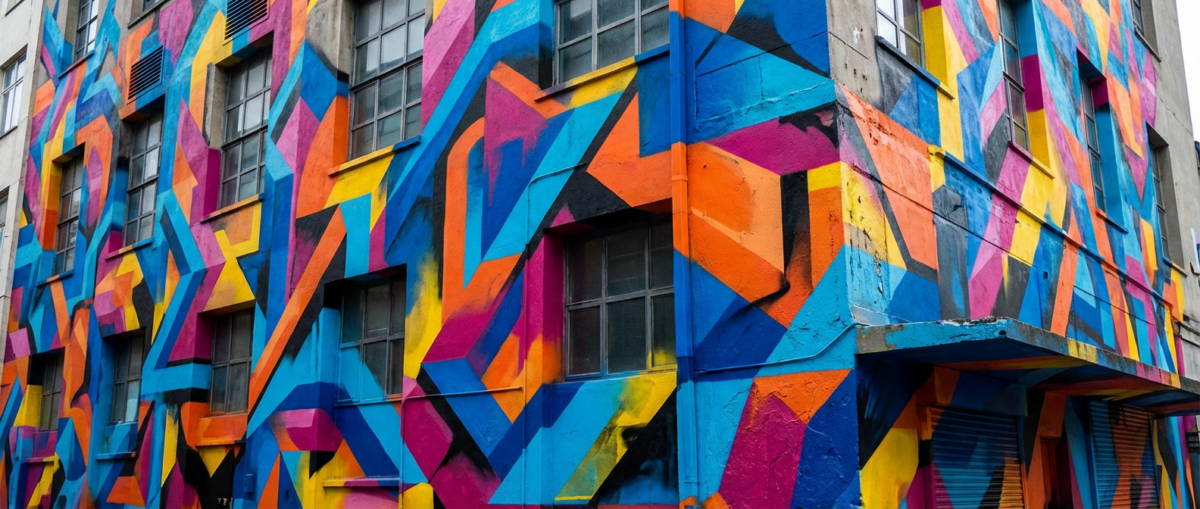
Most coverage of street art misses what’s really happening. I’ve been watching this space for years, and the surface-level takes about “rebellion going mainstream” completely miss the point. Here’s what everyone’s getting wrong.
This isn’t just another cycle of counterculture getting co-opted. What’s different now is that mural commissions are literally replacing advertising hoardings in urban development projects. Once you see this shift, everything else clicks into place.
The Numbers Don’t Lie
Banksy’s market value hit $100 million annually while staying anonymous. That’s not just a quirky data point. It’s the economic foundation that makes everything else possible. The conditions behind this didn’t happen overnight, they’ve been building for years.
Mural commissions are replacing advertising hoardings in urban regeneration projects.
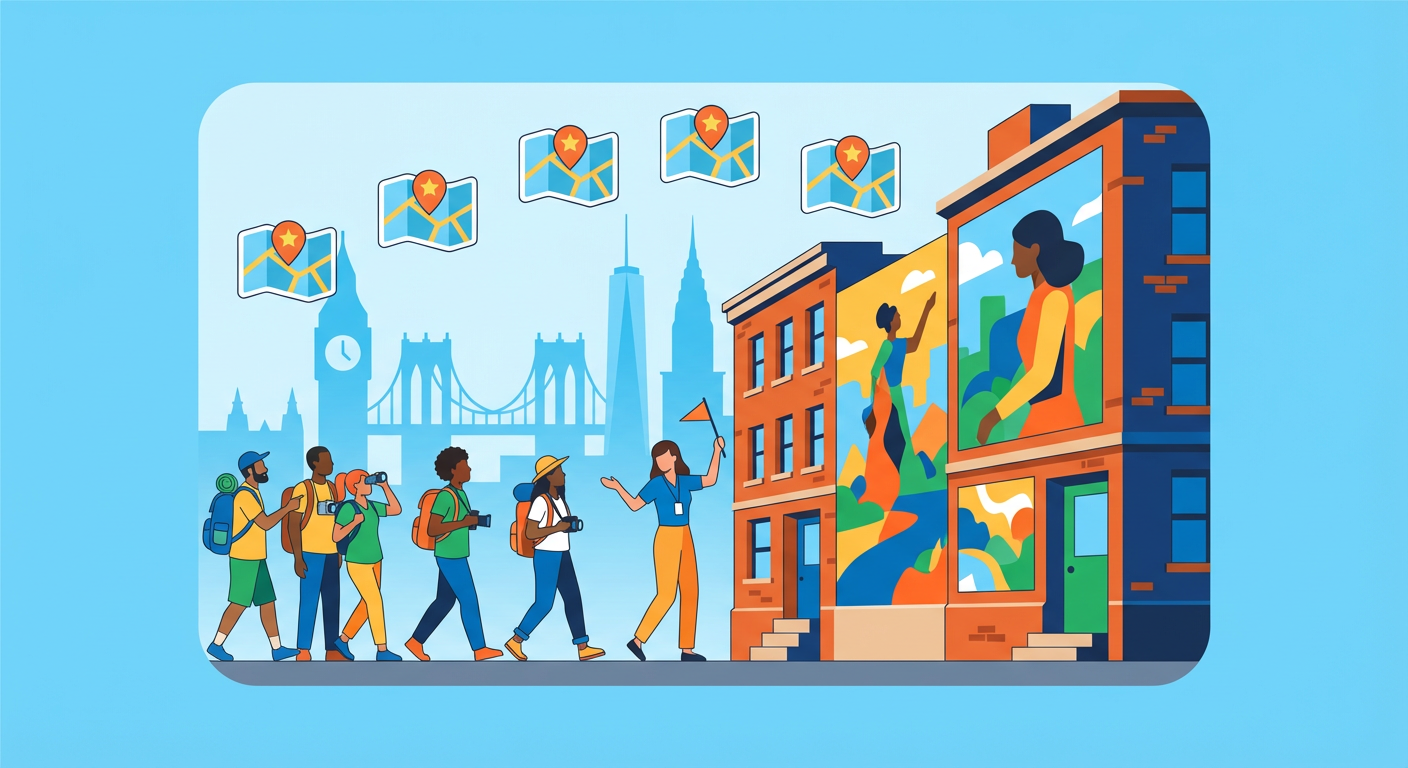
Street art tours now rank as a top-5 activity in major cities on TripAdvisor. Widewalls street art coverage has documented this shift consistently.
What’s interesting isn’t the novelty, it’s the confirmation. These patterns have been visible if you knew where to look. What’s new is that ignoring them now requires deliberate blindness. We’ve crossed a threshold.
City governments get caught between graffiti removal budgets and public art investment. These aren’t separate issues, they’re part of the same transformation.
Where the Real Action Is
City governments balancing graffiti removal with public art investment is just the surface story. The mechanism underneath is more important. Digital projection mapping is turning street art into interactive experiences, and that changes everything about how this medium works.
Artist collectives are taking over abandoned spaces as temporary galleries.
I get the skepticism. We’ve seen similar moments before that fizzled out. But here’s what’s different: artist collectives reclaiming abandoned spaces as temporary galleries. This isn’t just artistic energy, it’s infrastructure. Infrastructure sticks around in ways that trends don’t. Street Art News has been tracking this development with the attention it deserves.
There’s also an uncomfortable question most coverage avoids: who actually benefits from these changes? The overall trend might be positive, but the distribution of benefits and costs is wildly uneven. Gentrification dressed up as cultural development is still gentrification.
Why This Matters Beyond Art Circles
Street art going mainstream has ripple effects far beyond gallery walls. Banksy’s $100 million market combined with these structural shifts affects urban planning, real estate, tourism, and local communities in ways that aren’t always obvious.
I tend to be culturally literate, opinionated, and allergic to safe takes.
The question isn’t whether to engage with these changes, but how. Your approach depends on your position and timeline. But step one is the same for everyone: understand what’s actually happening instead of accepting the most convenient narrative.
Three things worth noting. First, mural commissions replacing advertising hoardings isn’t a trend, it’s a new baseline. Second, digital projection mapping extending street art into interactive experiences means we’re still in the adjustment phase. Third, anyone treating this as a stable new normal instead of an ongoing transition is making an expensive mistake.
The Skeptical Case
Honestly, the critics have some solid points. The optimistic reading of street art’s evolution has real vulnerabilities.
The biggest concern is sustainability. Street art tours ranking as a top-5 activity might be a ceiling, not a foundation. If we’ve already captured most early adopters, future growth could hit natural limits created by the same dynamics that drove initial success.
Artist collectives reclaiming abandoned spaces as temporary galleries.
What Comes Next
The direction is clearer than the timing. I’m confident about where this is heading, but anyone claiming to know exact timelines is selling something. The trend toward Banksy-level market values and continued infrastructure development has solid evidence behind it.
Artist collectives reclaiming abandoned spaces as temporary galleries is the leading indicator to watch. Historically, this moves first, with broader metrics following. That doesn’t guarantee outcomes, but it makes them readable.
Three questions worth tracking: Are the structural conditions behind current growth durable or cyclical? Who benefits from the next phase, and is that different from current beneficiaries? What would prove the optimistic case wrong, and do we see any of those signals? You don’t need answers today, but asking these questions changes what you notice going forward.
The direction is clear even when the pace isn’t.
What context am I missing? Add it below.
