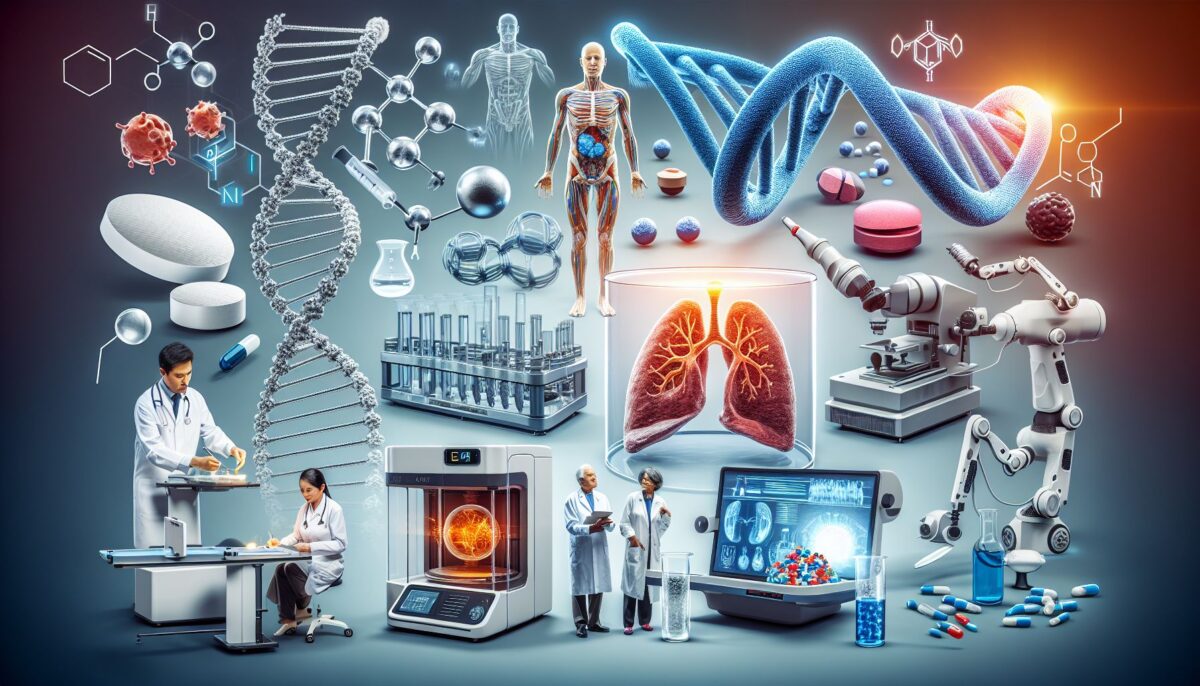
Are you ready to live forever, or at least feel like you could? Technology is making huge leaps in the longevity field, giving us glimpses into a future where living past a hundred might be normal rather than rare. Today’s blog digs into how new tech is about to change aging and extend our lives in ways we couldn’t have imagined just a couple of decades ago. So, grab some green tea (antioxidants are still your friend!) and settle in as we explore the cutting edge of longevity technology.
The Fountain of Tech: Introduction to Longevity Technology
Let’s put it out there—many of us are fascinated, (read: obsessed), with aging slower or even pausing it. The concept of the “fountain of youth” isn’t that far-fetched anymore, thanks to science and technology working together. Driven mainly by advances in biotechnology, artificial intelligence, and genetic engineering, these innovations are opening doors and extending lifespans. And the market is all in—investments in longevity-focused ventures are going through the roof.
What is Longevity Tech?
At its core, longevity tech takes multiple approaches to understanding, delaying, or even reversing aspects of human aging. Innovations in this area cover various domains—genomic science giving us targeted therapy, AI algorithms predicting health issues before they happen, and even robotics helping with elder care in ways unimaginable a decade ago. Longevity technology wants to provide not just longer lives but better quality ones.
Genomics: The DNA Tweak
If you’re following genomics, you know it’s not sci-fi anymore. CRISPR gene-editing technology is the tool currently prying open Pandora’s (positive) health box. With it, scientists want to tweak the human genome in ways that could seriously boost human lifespan and improve health. The blueprint for your body—your DNA—can now be altered, and scientists are thinking about using these advances to wipe out age-related diseases.
CRISPR and Anti-Aging
While the ethical implications of CRISPR are hot topics, the potential benefits are huge. Imagine a world with minimal Alzheimer’s cases or heart problems. Researchers are even working to extend lifespan by improving how our mitochondria function. But what’s really wild? Some even predict we could effectively stop aging within the next 50 years. Even if this feels like a “Star Trek” episode, the groundwork for these possibilities is happening right now.
Artificial Intelligence: Algorithms That Could Predict Your Future
Artificial intelligence isn’t getting left behind in the longevity conversation. Think about this—AI systems are being built that could predict potential health issues before they actually happen. By sorting through tons of data, AI algorithms create personalized wellness plans and spot potential risks, extending life expectancy and improving quality of life.
Predictive Healthcare
This isn’t just science talk. Companies like IBM Watson Health and DeepMind’s Health team are using machine learning to analyze massive datasets and build predictive healthcare models. Imagine your wearable device telling you months in advance that your primary health marker is a bit off, pushing you to schedule a doctor visit. That’s like having a sixth sense for healthcare!
Biotechnology: The Real-Life Immortality Machines?
Biotechnology is another pillar supporting these advances. There’s a bunch of companies jumping into age-related biotech. Take Unity Biotechnology, who’s experimenting with drugs that selectively destroy “senescent” cells—the cells that contribute to tissue breakdown. The excitement doesn’t stop there—scientists across the globe are eagerly waiting to see if these technologies make it from lab dishes to human trials successfully.
Targeting Senescence
Senescence is aging at the cellular level. While it’s natural, when it gets out of hand it leads to age-related diseases, so targeting it could be the key to extending life. Senolytic drugs are now in the spotlight, hitting senescent cells and leaving the healthy ones alone. This “senolytics wave” is just starting and could completely change elder care and life extension within the next few decades.
Tech’s Social Impact: Beyond the Lab
Let’s not get lost in the techno-magic. The societal implications of these solutions are huge. There’s reason to pause and think—is the world ready for octogenarians who can run marathons and work decades beyond their expected retirement? How will extended lifespans affect resources, the economy, and even social norms?
Economic Transformations
Consider the impact on healthcare, insurance models, and even job markets. With extended lifespans, we could see major changes in healthcare infrastructure to handle the needs of a longer-living population. Not to mention, pension schemes and retirement plans will need complete overhauls. Will older be the new middle-aged in the job market?
Stepping into the Future
For all its promises, longevity tech has plenty of hurdles—ethical, social, and scientific. But the direction we’re heading is definitely fascinating. While we’re not yet close to achieving biological immortality, the possibilities are exciting.
Embracing these upcoming technologies means balancing optimism with caution. So, as you hold your cup of antioxidizing tea, remember you might just live to see a world where our current worries about aging could be things of the past.
Stay tech-savvy and proactive, folks, because the future is moving at breakneck speed, and longevity just happens to have a front-row seat on this rapidly accelerating train! Keep your eyes on this space as we continue to track the breakthroughs changing how long—and how well—we can really live.
